Christopher George Latore Wallace, better known by his stage names The Notorious B.I.G. and Biggie Smalls, was an iconic American rapper and songwriter. Born on May 21, 1972, in Brooklyn, New York, Biggie Smalls rose to prominence in the 1990s and is considered one of the greatest and most influential rappers of all time.
Growing up in the Bedford-Stuyvesant neighborhood of Brooklyn, Biggie faced a challenging upbringing. He began his music career as a teenager, engaging in freestyle battles and honing his skills as an MC. His talent and lyrical ability quickly caught the attention of Sean Combs, also known as Puff Daddy or Diddy, who signed Biggie to his record label, Bad Boy Records, in 1992.
Biggie’s debut album, “Ready to Die,” was released in 1994 and achieved critical acclaim and commercial success. The album showcased his distinct storytelling ability and vivid narratives about street life, struggle, and the harsh realities of growing up in Brooklyn. Hits from the album included “Juicy,” “Big Poppa,” and “One More Chance.”
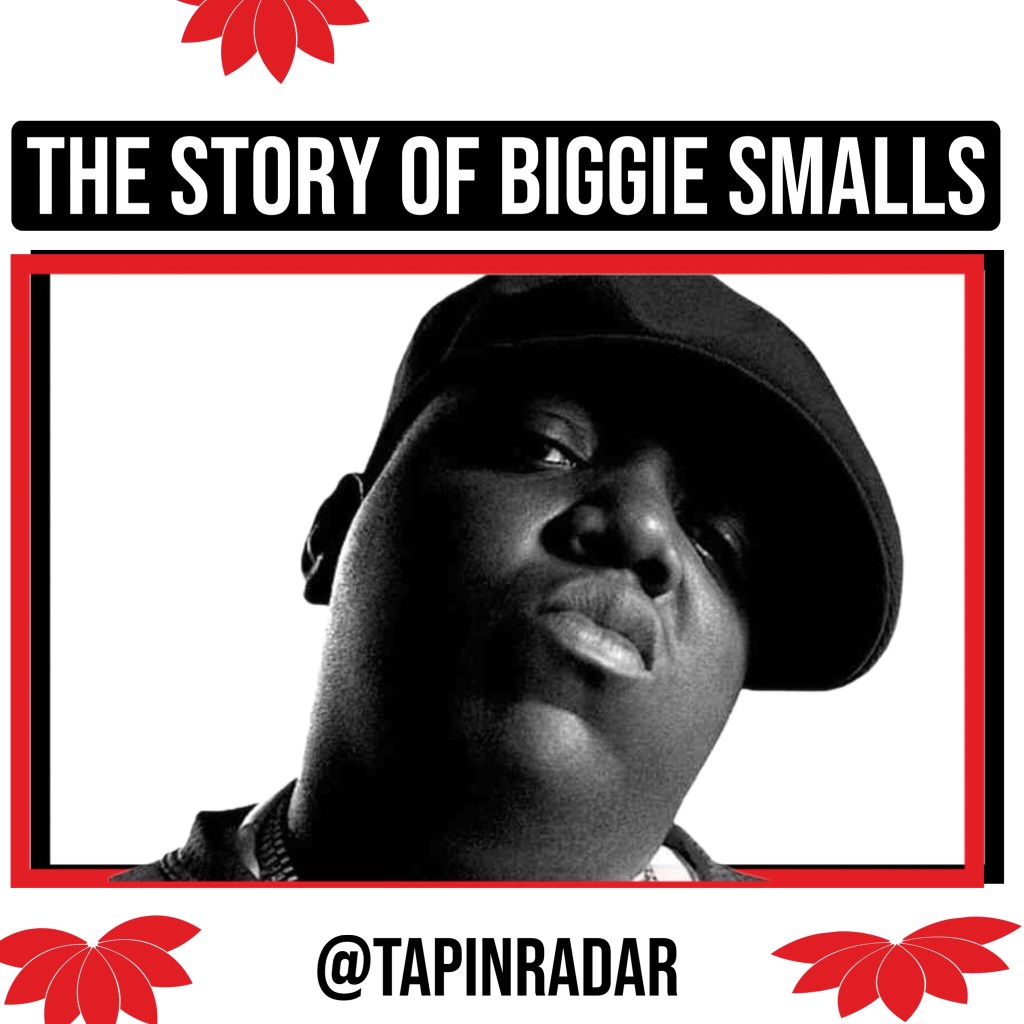
As his career continued to flourish, Biggie became a central figure in the East Coast-West Coast hip-hop rivalry that dominated the rap scene in the mid-1990s. The feud between East Coast rappers, led by The Notorious B.I.G., and West Coast rappers, led by Tupac Shakur, intensified and ultimately led to the tragic deaths of both artists.
On March 9, 1997, at the age of 24, Biggie Smalls was fatally shot in a drive-by shooting in Los Angeles. His murder remains unsolved, and it deeply impacted the music industry and fans worldwide.
Despite his short career, Biggie Smalls left an indelible mark on hip-hop. His lyrical prowess, smooth flow, and distinctive voice made him an influential figure in shaping the genre. His posthumous album, “Life After Death,” was released just weeks after his death and became one of the best-selling hip-hop albums of all time.
Biggie’s legacy continues to thrive, and his impact on the rap industry can still be seen today. His storytelling abilities, charismatic persona, and larger-than-life presence have solidified his status as a rap icon.
 TAP IN RADAR