Hip-hop is a cultural and musical movement that emerged in the 1970s in the Bronx, New York City, predominantly among African American and Latinx communities. It encompasses various elements, including rapping (MCing), DJing, breakdancing (b-boying), and graffiti art. Hip-hop originated as a response to social and economic challenges faced by these communities, and it has since evolved into a global phenomenon.
The story of hip-hop begins with its four foundational elements:
- MCing/Rapping: MCing, or Master of Ceremonies, involves rhythmic and poetic vocal delivery over a beat. Early MCs, such as DJ Kool Herc, Grandmaster Flash, and Afrika Bambaataa, would speak and rhyme over instrumental breaks in songs, known as “breakbeats.” This laid the foundation for modern rap music.
- DJing: DJs played a crucial role in hip-hop’s development. They would mix and blend records, creating seamless transitions and incorporating rhythmic techniques like scratching and cutting. DJs like Grandmaster Flash and Kool Herc were instrumental in popularizing these techniques and shaping the sound of hip-hop.
- Breakdancing/B-boying: Breakdancing, or b-boying, is a dynamic style of dance that involves intricate footwork, acrobatics, and improvisation. B-boys and b-girls would showcase their skills at block parties and other events, often in response to DJ-driven breakbeats.
- Graffiti Art: Graffiti art played a significant role in hip-hop’s visual expression. Artists would create large-scale murals and graffiti tags to leave their mark on the cityscape. Graffiti was seen as a form of self-expression and a way to claim space within urban environments.
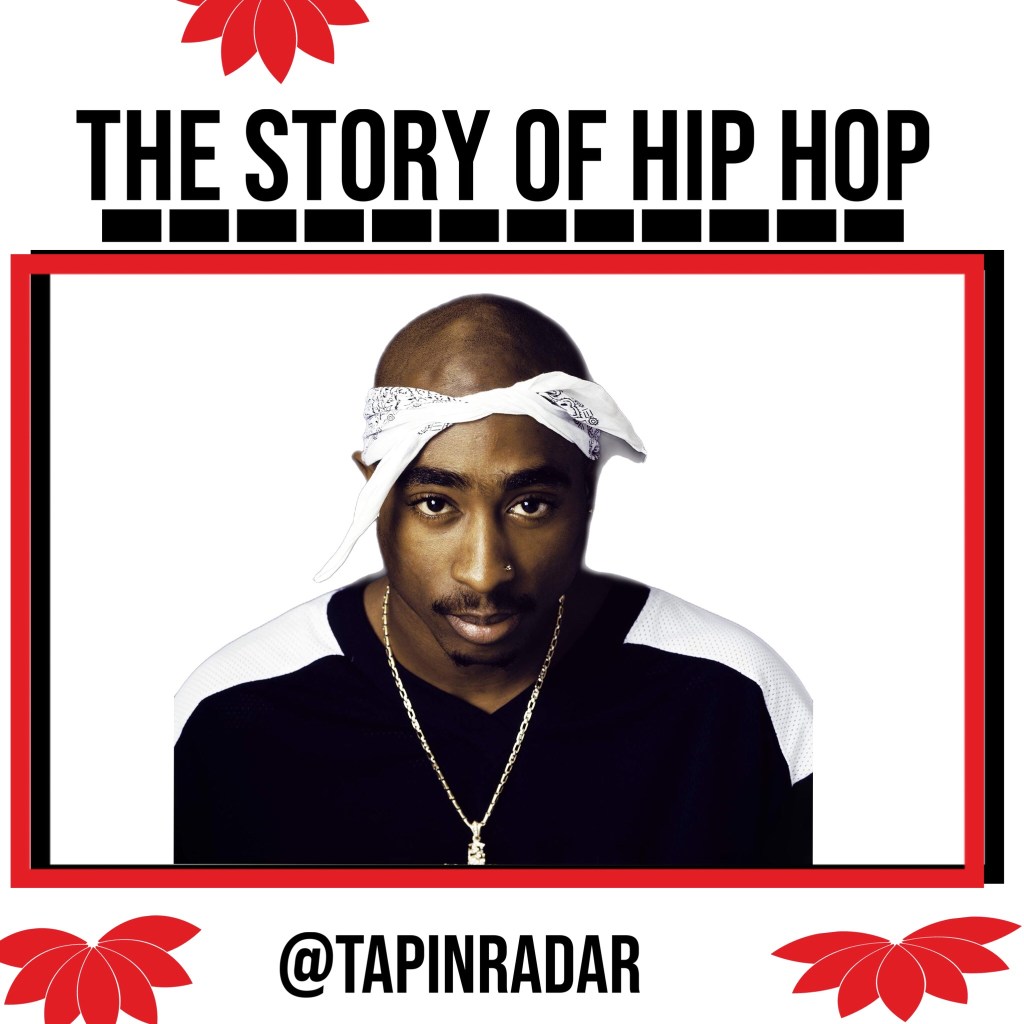
As hip-hop gained momentum in the 1970s and 1980s, it began to spread beyond New York City. It reached other cities in the United States, such as Los Angeles and Chicago, and eventually went global, influencing artists and communities worldwide.
In the 1980s, hip-hop started to gain commercial success with the release of groundbreaking albums like Run-D.M.C.’s self-titled debut and the Beastie Boys’ “Licensed to Ill.” These artists brought hip-hop into the mainstream and expanded its audience.
The 1990s witnessed a golden era of hip-hop, with artists like Tupac Shakur, The Notorious B.I.G., Nas, and Wu-Tang Clan making significant contributions to the genre. This period saw the rise of storytelling, social commentary, and diverse musical styles within hip-hop.
Hip-hop continued to evolve in the 2000s and beyond, with the emergence of subgenres like gangsta rap, conscious rap, trap music, and alternative hip-hop. Artists such as Jay-Z, Kanye West, Eminem, Kendrick Lamar, and Drake achieved massive commercial success while pushing the boundaries of the genre.
Today, hip-hop remains a dominant force in popular music and culture. It has influenced fashion, language, and societal discussions. Hip-hop’s impact can be seen in the rise of global superstars, the incorporation of its elements in various music genres, and its ability to address social and political issues.
Overall, the story of hip-hop is one of artistic expression, cultural resistance, and innovative creativity that continues to shape and influence contemporary music and society.
 TAP IN RADAR