
The history of heel dancing is deeply rooted in African-American culture additionally is characterized by intricate footwork, rhythmic stomping, and the use of the heels as percussive instruments.
Heel dancing draws influences from various dance forms, including tap dance, African dance, and jazz dance. Tap dance, in particular, played a significant role in the development of heel dancing.
During the early 20th century, heel dancing gained prominence in African-American vaudeville shows and minstrel shows.
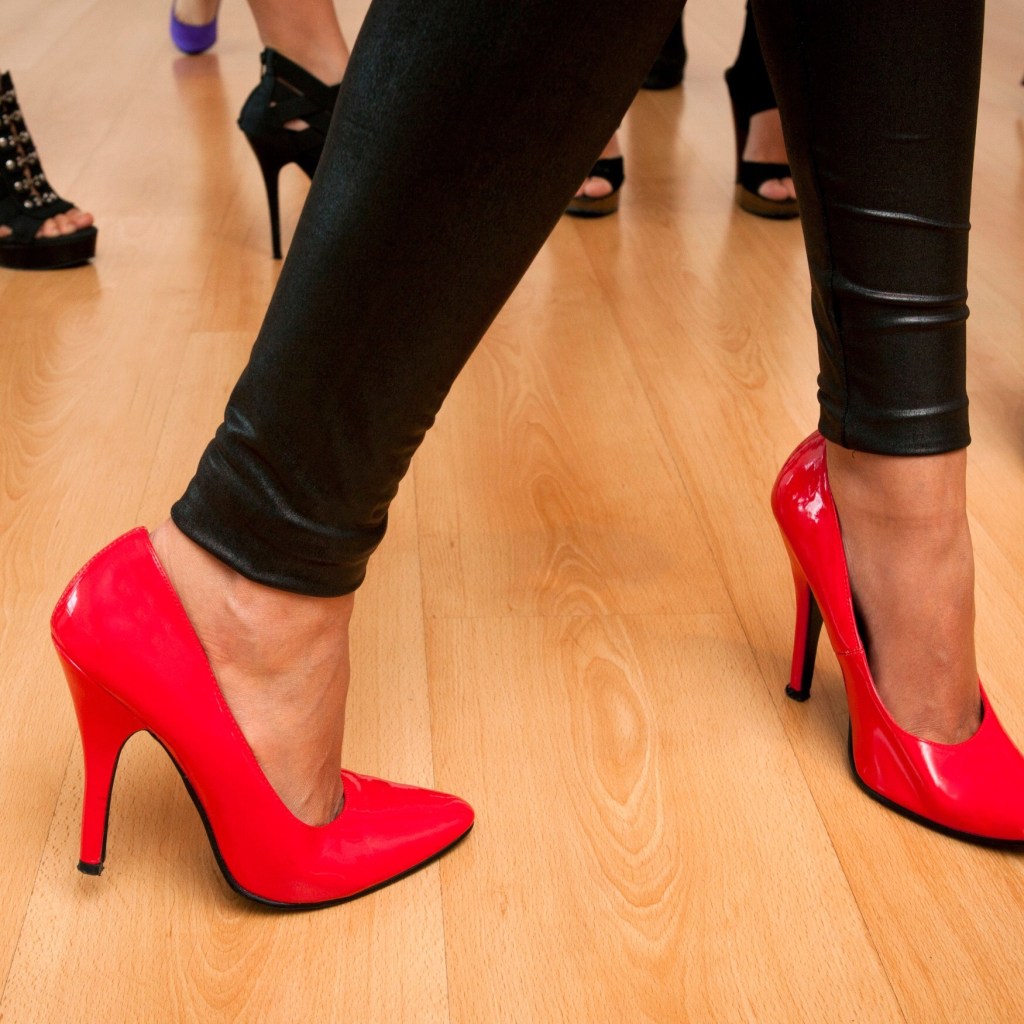
These shows provided a platform for African-American performers to showcase their talent and creativity.
In the 1920s and 1930s, heel dancing experienced a surge in popularity with the rise of jazz music and the Harlem Renaissance.
Heel dancers would perform in clubs, theaters, and social gatherings, captivating audiences with their skillful footwork and lively performances.

It found its way into various dance forms, including Lindy Hop, jitterbug, and modern hip-hop dance, later on it renewed popularity through dance competitions, social media, dance studios that teach the style.
People often choose to incorporate heel dancing into hip-hop because it adds a unique and dynamic element to their performances such as
1. Rhythm and Percussion
2. Style and Expression
3. Fusion of Dance Styles
4. Challenge and Skill Development
5. Performance Impact

Heels dance has gained popularity in various parts of the world, particularly in urban centers
1. United States
2. South Korea
3. Brazil
4. United Kingdom
5. Australia
People practice heels dance in groups for several reasons
1. Skill Development
2. Collaboration and Creativity
3. Motivation and Accountability
4. Performance Preparation
5. Community and Connection
6. Energy and Inspiration

 TAP IN RADAR