Music production is a captivating and multifaceted field that plays a crucial role in the creation and development of music. A music producer is responsible for overseeing and guiding the entire process of creating a song or an album, working closely with artists, musicians, and engineers to achieve the desired artistic vision. Here are some key points about music production and the role of a music producer:
1. Role of a Music Producer: A music producer is involved in various aspects of the creative process, including songwriting, arrangement, recording, editing, mixing, and mastering. They collaborate with artists to develop the overall sound, style, and direction of the music.
2. Developing the Concept: The music producer works closely with the artist or band to understand their artistic vision, goals, and influences. They help shape the concept of the project, determining the genre, mood, instrumentation, and overall sonic aesthetic.
3. Pre-production: In the pre-production phase, the producer assists in selecting and refining the songs to be recorded. This may involve providing feedback on song structure, lyrics, melodies, and chord progressions. The producer may also help in arranging and rearranging the music to enhance its impact and cohesiveness.
4. Recording Process: During the recording sessions, the music producer oversees the technical aspects of capturing high-quality sound. They guide the musicians, offer suggestions for performances, and ensure that the desired emotions and energy are conveyed in the recordings.
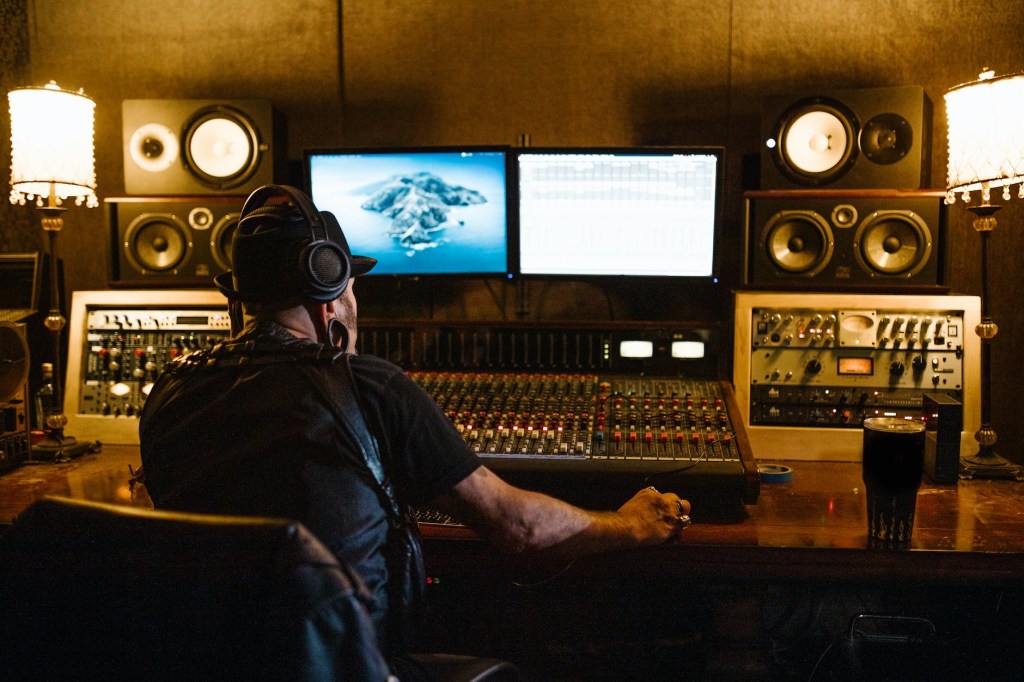
5. Post-production: After the recording phase, the producer engages in various post-production activities. This includes editing the recorded tracks, adjusting the timing and pitch if necessary, and selecting the best takes. The producer also collaborates with mixing engineers to create a balanced and impactful final mix.
6. Mixing and Mastering: Mixing involves blending individual tracks, adjusting levels, panning, applying effects, and creating a stereo image. The producer works closely with the mixing engineer to achieve the desired sound. Mastering, the final step in the production process, involves preparing the mixed tracks for distribution, ensuring consistency in sound quality across different playback systems.
7. Creative Direction and Decision-making: The music producer serves as a creative guide throughout the production process, making critical decisions about the arrangement, instrumentation, vocal performances, and overall sound. They provide constructive feedback and suggestions to enhance the artistic quality of the music.
8. Collaboration and Communication: Effective communication and collaboration skills are essential for a music producer. They work closely with artists, session musicians, engineers, and other professionals involved in the production. Building strong relationships and creating a positive working environment are crucial for successful collaborations.
9. Technical Skills and Knowledge: A music producer should have a solid understanding of music theory, audio recording techniques, sound processing, and various music production software and equipment. They should stay updated with the latest trends and technologies in music production.
10. Producer’s Role in Different Genres: The role of a music producer can vary depending on the genre of music. In some genres, the producer may have a more hands-on approach, while in others, they may take a more facilitative role, allowing the artists to have greater creative control.
It’s important to note that music production is a highly creative and subjective process, and the responsibilities of a music producer may vary depending on the specific project and the preferences of the artists involved.
 TAP IN RADAR