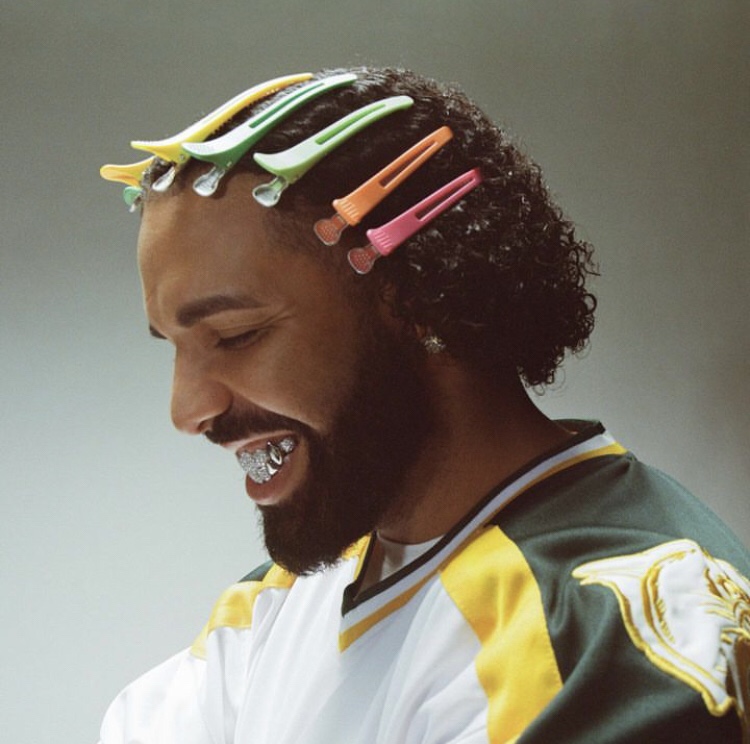
That would mark Drake’s best first week return since 2021’s Certified Lover Boy. The album is still looking to become the year’s fourth-biggest debut behind Taylor Swift, Morgan Wallen and Travis Scott.
Drake ‘For All The Dogs
Drake could also be making a No. 1 debut on the Billboard Hot 100 chart with his J. Cole-assisted effort, “First Person Shooter.”
That will be his 13th No. 1 entry on the chart as a solo artist and will tie him with the late Michael Jackson for the most chart-toppers by a male solo artist.
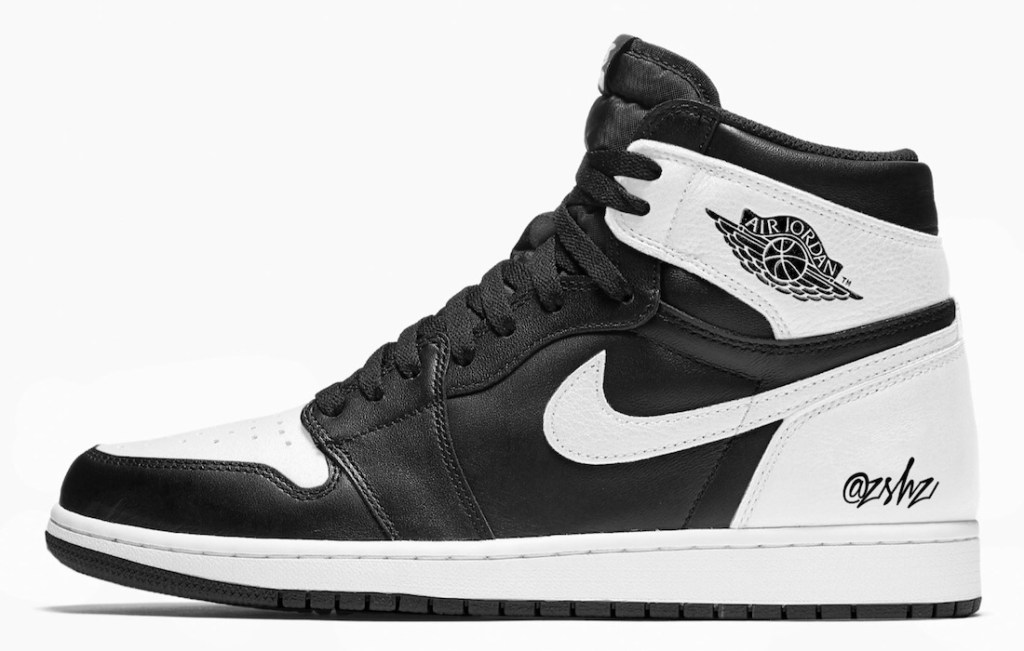
Sneaker Bar Detroit reports that the Air Jordan 1 High OG “Reverse Panda” is going to drop on February 24th, 2024 Also, the retail price will be $180.
AIR JORDAN 1 HIGH OG
It is a simple Black and White color scheme. The Air Jordan 1 comes in a full leather build with mesh tongues and lining. It features a Black base with White overlays, Swooshes, and toe box. Black continues on the tongues, laces, inner lining and Wings logo. White “Nike Air”
21 Savage’s four-year immigration struggle has come to an end as the rapper revealed he is now a “lawful permanent resident” of the U.S. According to his legal team, 21 Savage was originally born in London, immigrating to the US as a 7-year-old.
In an Instagram post soundtracked by Skylar Grey’s “Coming Home,” 21 Savage declared “London, I’m comin home,” hinting at his first-ever concert in the U.K.
21 Savage get his green card and performs in Toronto show with Drake
21 Savage Takes the Stage with Drake in Toronto After Being Barred from Canada.
“Performing for the first time outside of America in his life. Make some noise for the brother, 21!”
Drake yelled into that mic as Scotiabank Arena erupted in cheers and 21 Savage walked through the crowd.
Music artists can make money through various revenue streams in the music industry. Here are some common ways they generate income:
1. Music Sales: Artists earn revenue from the sale of their music recordings, including albums, singles, EPs, or digital downloads. This can be through physical sales (CDs, vinyl) or digital platforms like iTunes, Amazon Music, or streaming platforms like Spotify, Apple Music, and YouTube Music. Artists typically receive a percentage of the revenue generated from these sales.
2. Streaming Royalties: With the rise of music streaming services, artists earn royalties based on the number of streams their songs receive. Streaming platforms pay artists based on a pro-rata system, where revenue is divided among all the artists based on their share of total streams. The exact amount can vary depending on the platform and the artist’s contract.
3. Live Performances: Concerts, music festivals, and live performances are significant income sources for artists. They earn money through ticket sales, merchandise sales (such as t-shirts, posters, and albums), and potential sponsorship deals or partnerships associated with the events. Established artists often command higher fees for their performances.
4. Music Publishing: Artists earn income through music publishing, which involves the ownership and administration of the rights to their songs. When their music is played on radio, television, in movies, commercials, or streamed online, they receive royalties for the usage. Artists may work with music publishers or publishing companies that help manage and license their music catalog.
5. Royalties from Performance Rights Organizations (PROs): Performance Rights Organizations, such as ASCAP, BMI, and SESAC, collect and distribute royalties to songwriters, composers, and publishers when their music is publicly performed. Artists receive royalties when their songs are played on radio, TV, in public venues, or streamed online.
How artists make money
6. Sync Licensing: Artists can earn money by licensing their music for use in TV shows, movies, commercials, video games, and other media. Sync licensing involves negotiating fees with production companies or music supervisors who select songs to be used alongside visual content.
7. Brand Partnerships and Endorsements: Artists may enter into partnerships with brands or companies to promote their products or services. This can include endorsement deals, sponsorships, or collaborations, where the artist’s image or music is associated with a particular brand. Artists receive compensation for these partnerships, which can include upfront fees, royalties, or a percentage of sales.
8. Merchandise Sales: Artists often sell merchandise, such as t-shirts, hats, posters, and other branded items, both online and at their live performances. Merchandise sales can be a lucrative income stream, especially for popular artists with a dedicated fan base.
9. Songwriting and Production: Artists who are also skilled songwriters or producers can generate income by writing or producing songs for other artists. This includes composing music, writing lyrics, and producing tracks for other musicians, which can earn them royalties and upfront fees.
10. YouTube and Social Media: Artists can monetize their presence on platforms like YouTube by participating in the YouTube Partner Program, which allows them to earn revenue through ads placed on their videos. Additionally, artists can leverage social media platforms to promote their music, connect with fans, and drive sales or engagement.
It’s important to note that the music industry is complex, and the revenue generated can vary significantly depending on factors such as an artist’s popularity, contract terms, streaming rates, touring capacity, and other business arrangements. Artists often rely on multiple income streams to sustain their careers and maximize their revenue potential.
Becoming a music producer involves a combination of talent, skill development, industry knowledge, and networking. Here are some steps to help you get started on the path to becoming a music producer:
1. Develop Your Musical Skills: Start by honing your musical skills and knowledge. Learn to play an instrument, study music theory, and gain a solid understanding of different genres and production techniques. This will provide a strong foundation for your work as a producer.
2. Acquire Technical Skills: Familiarize yourself with music production software and equipment commonly used in the industry. Learn how to operate digital audio workstations (DAWs) such as Ableton Live, Logic Pro, or FL Studio. Gain proficiency in recording, editing, mixing, and mastering techniques.
3. Study Music Production: Consider enrolling in a music production program or taking courses that focus on music production and audio engineering. These programs can provide structured learning, hands-on experience, and access to industry professionals who can mentor you.
4. Build Your Home Studio: Set up a home studio or a dedicated space where you can produce music. Invest in essential equipment such as a computer, audio interface, studio monitors, headphones, microphones, and MIDI controllers. Start with the basics and gradually expand your setup as you progress.
5. Learn from Existing Productions: Study and analyze music productions in the genres you are interested in. Listen critically to songs, dissect their arrangement, sound design, mixing, and overall production techniques. This will help you understand the creative choices made by successful producers and inspire your own work.
How to become a music producer
6. Experiment and Create: Start producing your own music. Experiment with different styles, sounds, and techniques. Develop your signature sound and style while remaining open to new ideas and influences. Building a diverse portfolio of your own productions will demonstrate your skills and versatility to potential clients or collaborators.
7. Collaborate with Others: Collaborate with artists, musicians, and other producers. Working with others allows you to learn from their expertise, expand your network, and gain valuable experience in the collaborative process of music production.
8. Gain Practical Experience: Seek opportunities to gain practical experience in the field. Offer to produce tracks for local artists or bands, work on student film projects, or assist established producers in their studio sessions. These experiences will help you refine your skills, learn new techniques, and build your reputation.
9. Networking and Promotion: Attend music industry events, conferences, and workshops to meet professionals in the field. Build relationships with artists, managers, record label representatives, and other industry insiders. Utilize social media and online platforms to share your work, connect with potential clients, and build an online presence.
10. Continuously Learn and Adapt: The music industry is constantly evolving, so it’s important to stay updated on new production techniques, equipment, and industry trends. Take advantage of online tutorials, forums, workshops, and industry publications to continue learning and refining your skills.
Remember, becoming a successful music producer takes time, dedication, and persistence. Keep refining your craft, seeking feedback, and growing your network. Consistency and a passion for music will play a vital role in your journey as a music producer.
There are several ways you can make money as a musician. Here are some strategies you can consider:
1. Perform live gigs: One of the most traditional ways to make money as a musician is by performing live. You can book gigs at local venues, bars, restaurants, weddings, parties, and events. Make sure to build a strong local network and promote your performances to attract an audience.
2. Sell your music: Release your music through digital platforms such as iTunes, Spotify, Bandcamp, or SoundCloud. You can earn money through streaming royalties, downloads, or physical sales. Promote your music through social media, your website, and live performances to increase your reach.
3. Licensing and synchronization: Offer your music for licensing opportunities, such as film, TV, commercials, video games, and other media projects. Register your music with performance rights organizations (PROs) like ASCAP, BMI, or SESAC to collect royalties when your music is used.
4. Teaching music: If you have expertise in playing an instrument or singing, consider offering music lessons. You can teach privately or work at a music school or community center. Additionally, you can create online courses or tutorials and sell them through platforms like Udemy or Teachable.
5. Session musician or studio work: Offer your skills as a session musician to other artists or bands who need instrumentalists or vocalists for their recordings. You can also work as a studio musician for jingles, commercials, or film scores.
How to make money as a musician
6. Busking or street performances: If you’re comfortable performing in public spaces, consider street performing, also known as busking. Check local regulations and obtain any necessary permits. Busking can help you earn money, gain exposure, and connect with potential fans.
7. Crowdfunding and patronage: Platforms like Kickstarter, Patreon, or GoFundMe allow musicians to raise funds from fans and supporters. You can offer exclusive content, merchandise, or special experiences in exchange for financial contributions.
8. Music royalties and publishing: If you write your own music, make sure to understand the importance of music publishing. Register your compositions with a publishing rights organization (PRO) and explore opportunities for music placement in TV shows, films, commercials, and other media.
9. Merchandise and branded products: Create and sell merchandise such as t-shirts, posters, CDs, vinyl records, or other merchandise related to your brand. You can sell these items at your live performances, through your website, or online platforms like Bandcamp or Shopify.
10. Collaborations and session work: Collaborate with other musicians, bands, or producers. This can open up new opportunities, expand your fan base, and provide additional income streams.
Remember that making money as a musician often requires dedication, persistence, and building a strong fan base. It’s also essential to promote yourself effectively through social media, networking, and live performances.
Going on tour as a musician can be an exciting and rewarding experience. Here are some steps to help you plan and organize a tour:
1. Define your tour goals: Determine the purpose of your tour. Is it to promote a new album, expand your fan base, or gain exposure in new markets? Clarifying your goals will help you make informed decisions throughout the planning process.
2. Develop a budget: Create a realistic budget that covers all the necessary expenses for your tour. Consider costs such as transportation, accommodations, meals, marketing, merchandise, and any additional equipment or personnel you may need.
3. Plan your route and dates: Choose the cities or regions you want to tour based on your target audience and goals. Consider the logistics of travel between locations and the availability of suitable venues. Plan your tour dates with enough time in advance to allow for promotion and coordination.
4. Book your venues: Research and reach out to suitable venues in the cities you plan to visit. Contact local clubs, bars, theaters, or other music venues that align with your style and fan base. Negotiate performance fees, set times, and any technical requirements you may have.
5. Arrange transportation: Determine how you will travel between cities. Depending on your budget and the distance between locations, you can consider options like renting a van, touring by bus, or even flying if the distances are significant. Factor in fuel costs, vehicle rental fees, or transportation expenses when planning your budget.
How to go on tour as a musician
6. Secure accommodations: Look for affordable accommodations in each city you’ll be visiting. Options can include hotels, motels, hostels, or even staying with friends or fans. Consider factors such as comfort, safety, and proximity to the venues.
7. Promote your tour: Develop a comprehensive marketing and promotional plan for your tour. Utilize social media platforms, your website, email newsletters, and local media outlets to spread the word about your shows. Create engaging content, share updates, and consider partnering with local influencers or other artists to increase visibility.
8. Prepare your live performance: Prioritize rehearsing your live set and ensuring you have a compelling and polished performance. Consider the order of your songs, stage presence, and any additional elements you want to incorporate, such as visuals or special effects.
9. Merchandise and branding: Create or update your merchandise to have available during the tour. This can include items like t-shirts, CDs, vinyl records, posters, stickers, or other branded merchandise. Ensure you have enough stock and manage the logistics of transporting and selling your merchandise at each show.
10. Coordinate logistics: Pay attention to logistical details such as sound equipment, stage setup, load-in and load-out times, and any technical requirements you may have. Communicate with venue staff or local production teams to ensure a smooth experience at each location.
11. Prepare for contingencies: Have a backup plan in case of unforeseen circumstances, such as equipment failure, travel delays, or cancellations. Consider travel insurance, backup gear, and maintaining open communication with venues and fans in case of any changes or emergencies.
12. Hit the road and engage with your audience: Finally, embark on your tour with enthusiasm and professionalism. Interact with your audience, build connections, and make the most of each performance opportunity. Take advantage of the tour to expand your fan base, network with other musicians, and learn from the experience.
Remember that going on tour requires careful planning, organization, and hard work. It’s essential to balance the excitement of performing with the practical aspects of logistics, marketing, and financial management.
Selling your music involves a combination of marketing, distribution, and networking. Here are some steps to help you sell your music effectively:
1. Create high-quality recordings: Invest time and resources in producing professional-quality recordings. Ensure that your music is well-mixed and mastered to make it sound polished and competitive in the market.
2. Build your brand: Develop a strong brand identity that reflects your music and resonates with your target audience. This includes creating a visually appealing logo, designing compelling album art, and maintaining consistency across your online platforms.
3. Establish an online presence: Create a website or a dedicated landing page where fans can learn more about you and your music. Utilize social media platforms such as Facebook, Instagram, Twitter, and YouTube to engage with your audience, share updates, and promote your music.
How to sell your music
4. Utilize digital distribution platforms: Sign up for digital distribution services such as CD Baby, TuneCore, DistroKid, or Ditto Music. These platforms allow you to distribute your music to major online stores and streaming platforms like Spotify, Apple Music, Amazon Music, and more.
5. Sell directly from your website: Set up an online store on your website or utilize platforms like Bandcamp to directly sell your music to fans. This allows you to retain a larger portion of the revenue compared to streaming platforms.
6. Perform live: Perform live shows and concerts to showcase your music and connect with your fans directly. Engage with the audience, promote upcoming releases, and have physical copies of your music available for sale at the venue.
7. Collaborate with others: Collaborate with other musicians, producers, or artists in your genre. This can help you tap into their fan base and gain exposure to new listeners. It can also open up opportunities for joint marketing efforts and cross-promotion.
8. Network within the industry: Attend music industry events, conferences, and local music scenes to network with other professionals such as producers, managers, and music supervisors. Building relationships and connections within the industry can lead to potential opportunities for licensing, placements, or collaborations.
9. Seek licensing and synchronization opportunities: Explore opportunities to license your music for TV shows, films, commercials, or video games. Sync licensing can provide additional exposure and generate income for your music.
10. Engage with your fans: Interact with your fans on social media, respond to comments and messages, and show appreciation for their support. Building a loyal fan base can lead to word-of-mouth promotion and repeat purchases of your music.
Remember, selling music takes time and effort. It’s important to stay persistent, continue honing your craft, and adapt to the changing landscape of the music industry.
Getting your song on the radio involves a combination of talent, persistence, and effective promotion. While there is no guaranteed formula for success, here are some steps you can take to increase your chances:
1. Create a high-quality recording: Ensure that your song is professionally recorded, mixed, and mastered. The quality of your recording can significantly impact the chances of getting airplay.
2. Identify your target radio stations: Research radio stations that align with your genre and target audience. Look for both local and online stations that play music similar to yours.
3. Develop a press kit: Create a press kit that includes a well-written biography, professional photos, and any notable achievements or reviews you have received. Include your contact information and social media handle.
How to get your song on the radio
4. Contact radio stations: Reach out to the program directors or music directors of the stations you identified. Look for their contact information on the station’s website or social media pages. Send them a personalized email or physical package containing your press kit, along with a copy of your song.
5. Follow submission guidelines: Some radio stations have specific submission guidelines, such as preferred file formats or online submission forms. Make sure you follow these guidelines to increase the chances of your song being reviewed.
6. Build relationships: Attend local music events, network with DJs, and establish connections within the industry. Building relationships with people in the radio industry can help you get your foot in the door and increase the likelihood of your song being played.
7. Promote your song independently: Use social media platforms, online music platforms, and your personal website to promote your song independently. Build a following and engage with your audience. The more buzz you can generate around your music, the more likely radio stations will take notice.
8. Consider hiring a radio promoter: If you have the resources, you can hire a radio promoter or a music promotion agency specializing in radio promotion. They have established relationships with radio stations and can help increase the chances of your song getting airplay.
9. Be persistent and patient: Getting your song on the radio can be a challenging process. It’s important to stay persistent, follow up with radio stations, and continue to promote your music. It may take time and multiple attempts before you achieve success.
Remember, getting your song on the radio is just one avenue of exposure. Don’t neglect other promotional opportunities such as online streaming platforms, live performances, and collaborations, as they can help you gain a wider audience and increase your chances of being noticed by radio stations.






 TAP IN RADAR