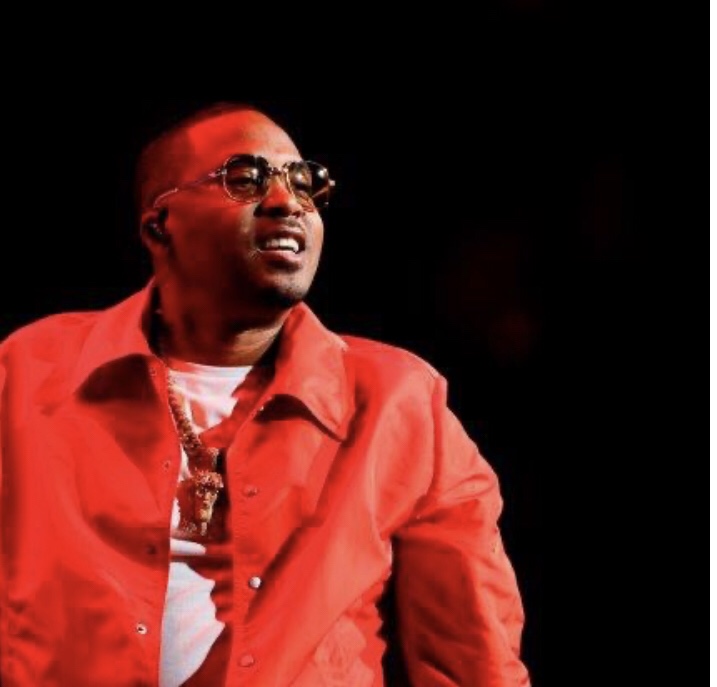
On Wednesday night, the tour kicked off hip hop in Nashville, Tennessee, with legendary acts Wu-Tang Clan and Nas, joined by special guest De La Soul, at Bridgestone Arena.
N.Y. STATE OF MIND TOUR KICKS OFF WITH WU-TANG CLAN, NAS, AND DE LA SOUL
The performance marked the beginning of the N.Y. State of Mind Tour in North America. Wu-Tang Clan provided the audience with tracks like “Liquid Swords,” “Triumph,” and “Wu-Tang Clan Ain’t Nuthing Ta F’ Wit,” while Nas came through with classics such as “N.Y. State of Mind,” “The World Is Yours,” and “Get Down.”
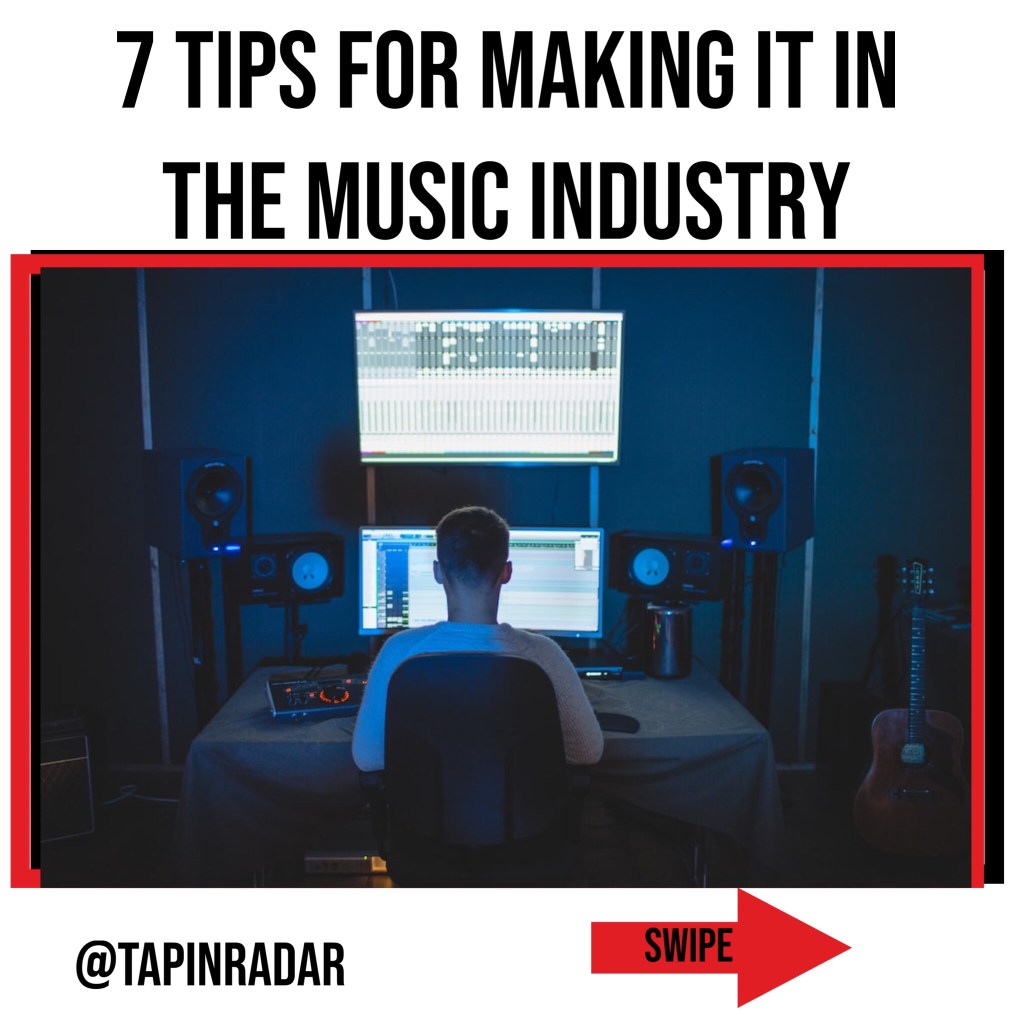
Making it in the music industry can be a challenging and competitive endeavor. Here are seven tips to help you navigate the path towards success:
1. Develop Your Craft: Dedicate time and effort to hone your musical skills. Practice regularly, take lessons if necessary, and continually strive to improve your technique, musicality, and performance abilities. The more you develop your craft, the more confident and competent you’ll become as an artist.
2. Define Your Unique Identity: Find your artistic voice and establish a distinct identity that sets you apart from others. Explore different genres, experiment with different styles, and embrace your authenticity. Identify what makes you unique and capitalize on those strengths to create a signature sound and image.
3. Build a Strong Network: Networking is crucial in the music industry. Connect with fellow musicians, industry professionals, and music enthusiasts. Attend industry events, join local music communities, and engage with social media platforms to expand your network. Collaborations, mentorships, and industry connections can open doors and create opportunities for exposure and growth.
7 Tips for making it in the Music industry
4. Create High-Quality Content: In today’s digital age, having high-quality content is essential. Invest in professional recordings, music videos, promotional photos, and artwork. Ensure that your content reflects your artistic vision and resonates with your target audience. Utilize platforms like YouTube, SoundCloud, and social media to share your music and engage with your fans.
5. Utilize Online Platforms: Leverage the power of online platforms to promote your music and reach a wider audience. Create a website or an artist profile on platforms like Spotify, Apple Music, and Bandcamp. Utilize social media platforms to connect with fans, share updates, and build a loyal following. Engage with your audience regularly and take advantage of digital marketing tools to increase your visibility.
6. Perform Live: Live performances are a crucial aspect of building your music career. Start by performing at local venues, open mic nights, and showcases to gain experience and exposure. As you grow, aim for larger stages, festivals, and concert opportunities. A compelling and energetic live show can leave a lasting impression on fans and industry professionals alike.
7. Stay Persistent and Resilient: The music industry is known for its ups and downs. It’s important to stay persistent, even in the face of challenges and rejections. Develop a thick skin, learn from setbacks, and keep pushing forward. Embrace a mindset of continuous growth, adapt to industry trends, and remain dedicated to your goals. Persistence and resilience are key traits that can help you navigate the competitive music industry.
Remember, success in the music industry often takes time, hard work, and a bit of luck. Stay true to your passion, remain focused on your goals, and continue to evolve as an artist. With perseverance and a strategic approach, you can increase your chances of making it in the music industry.
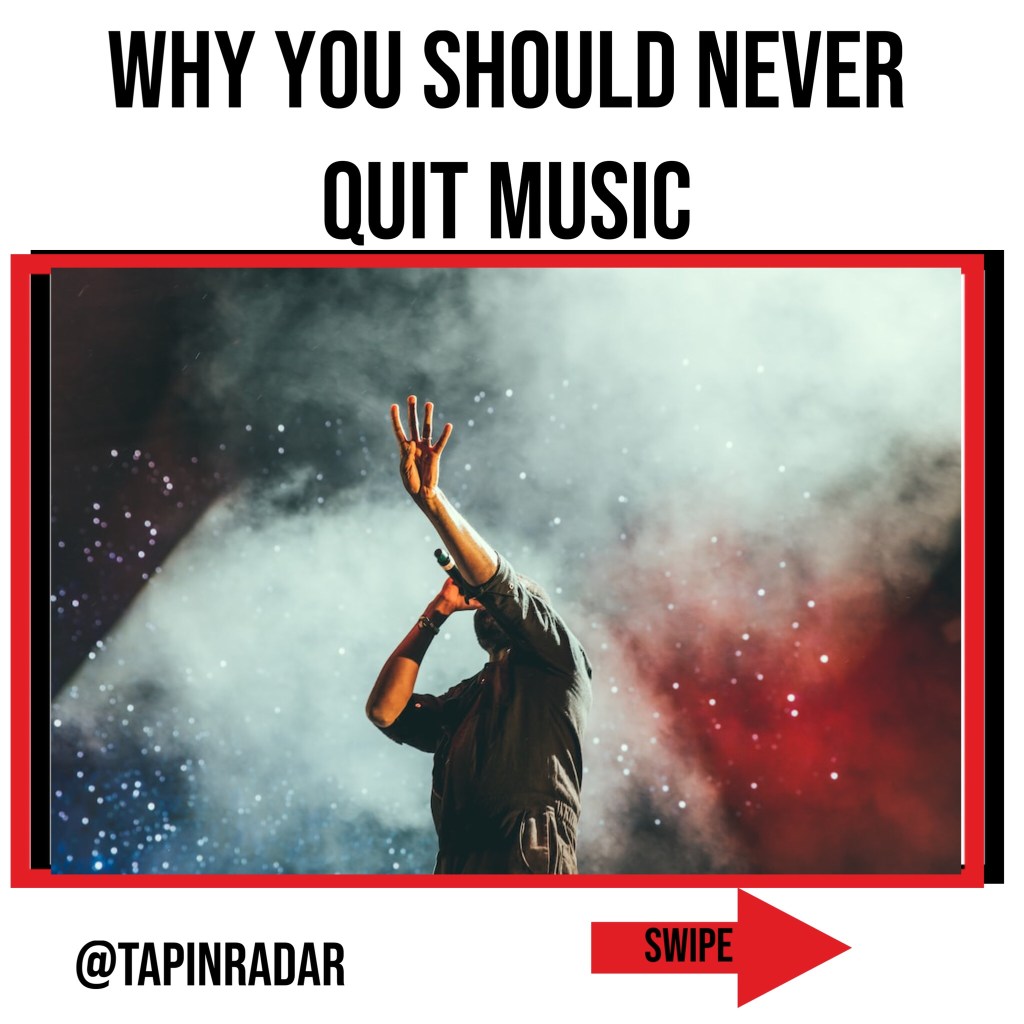
There are numerous reasons why one should never quit music. Here are a few compelling ones:
1. Emotional Outlet: Music provides a unique and powerful way to express yourself emotionally. Whether you’re feeling joy, sadness, anger, or any other emotion, music can be a cathartic outlet for your feelings. It allows you to communicate and connect with others on a deep emotional level.
2. Personal Growth: Pursuing music can be a transformative journey of personal growth. Learning an instrument or honing your vocal skills requires discipline, patience, and perseverance. As you tackle the challenges and overcome obstacles, you develop valuable traits such as self-discipline, resilience, and determination that can be applied to various aspects of your life.
3. Stress Relief: Engaging with music has been scientifically proven to reduce stress and anxiety. Playing an instrument or listening to music you love can help calm your mind, relax your body, and provide a much-needed break from the pressures of everyday life.
4. Creative Outlet: Music is a limitless creative playground. It allows you to explore your imagination, experiment with different sounds, and create something entirely unique. Whether you’re composing your own songs, improvising, or arranging existing pieces, music offers endless opportunities for creative expression.
Why you should never quit music
5. Social Connection: Music has a remarkable ability to bring people together. By participating in music, whether through joining a band, choir, or orchestra, or simply sharing your love for music with others, you become part of a vibrant community. Collaborating with fellow musicians, performing in front of an audience, or simply jamming with friends can create lasting bonds and foster a sense of belonging.
6. Personal Fulfillment: There is a profound sense of accomplishment and personal fulfillment that comes from mastering an instrument or performing music. The joy of creating beautiful melodies, captivating an audience with your voice, or experiencing the magic of a live performance can be incredibly rewarding and fulfilling.
7. Lifelong Learning: Music is a vast and ever-evolving field. No matter how skilled you become, there is always something new to learn and explore. The pursuit of music offers a lifelong journey of discovery, allowing you to continuously challenge yourself, expand your horizons, and deepen your understanding of the art form.
In conclusion, music has the power to enrich your life in countless ways. It provides a means of self-expression, personal growth, stress relief, creativity, social connection, personal fulfillment, and ongoing learning. So, never quit music and continue to embrace the beauty and magic it brings to your life.
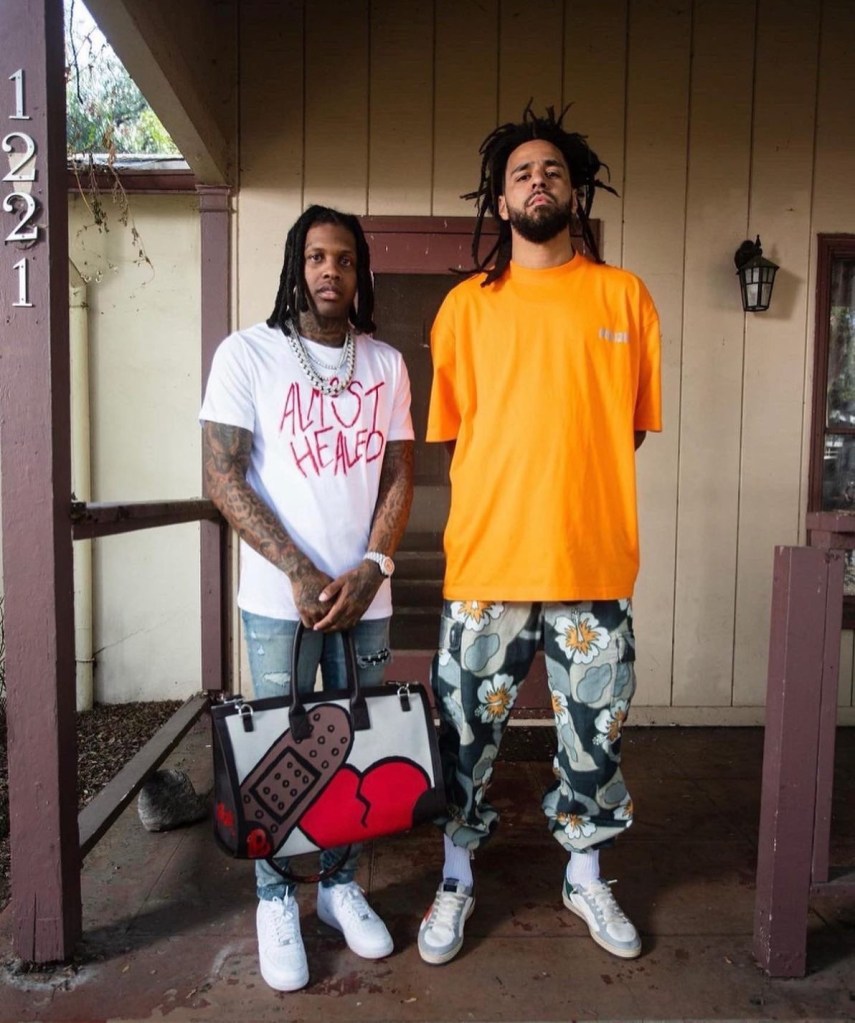
Chicago rapper Lil Durk took the stage during the iHeartRadio Music Festival in Las Vegas on Friday, September 22.
During his set, Lil Durk took the audience by a big surprise. He brung out other rapper J. Cole to share the stage with him. The duo made history as they performed their collaborative track, “All My Life,” together for the very first time.
Lil Durk brings out J. Cole to perform ‘All My Life’
During an interview on The Nadeska Show in mid-July, Durk said. “It’s so crazy because we’d been talking for like, two years, and he’d always be like, ‘Send me a record.’ And I’m like, ‘I gotta find the right record.’ I’m glad I waited two years.
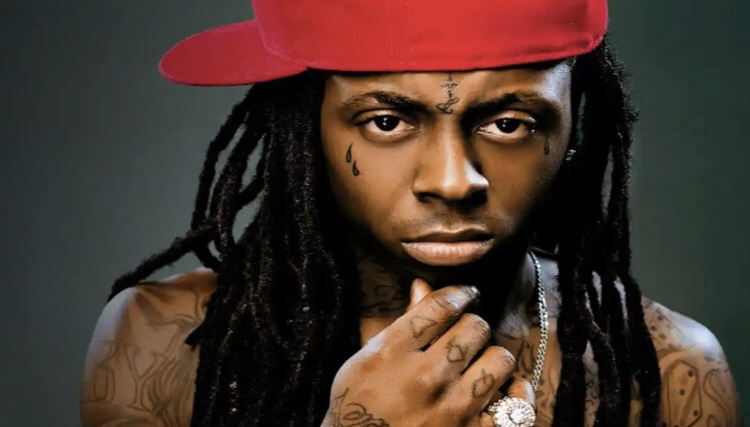
Lil Wayne is back at it with a new project, “Tha Fix” Before Tha VI, and dropped a pre-save link.
LIL WAYNE ANNOUNCES NEW PROJECT “ Tha Fix ”
Wayne’s 13th album, Funeral, released three years ago and featured 20 songs with appearances such as Big Sean, Takeoff, Jay Rock, Lil Baby, Adam Levine, and more. It was his fifth No. 1 on the Billboard 200.
The new project “Tha Fix “ has a vivid red artwork similarly to his 2011 mixtape, “Sorry 4 The Wait.” That project was released prior to “Tha Carter IV,”
Moneybagg Yo got with one of the hottest new artists out right now Sexyy Red For his new single, “Big Dawg,”. Moneybagg Yo rapping on the verse and delivering the bars furthermore Sexyy Red is on the hook responding to Yo’s adlib questions. “What’s yo type?”
Moneybagg Yo links with Sexyy Red for new track “Big Dawg”
The new song “Big Dawg” is set for release on Gangsta Art 2, a forthcoming compilation from Yo Gotti’s CMG label.
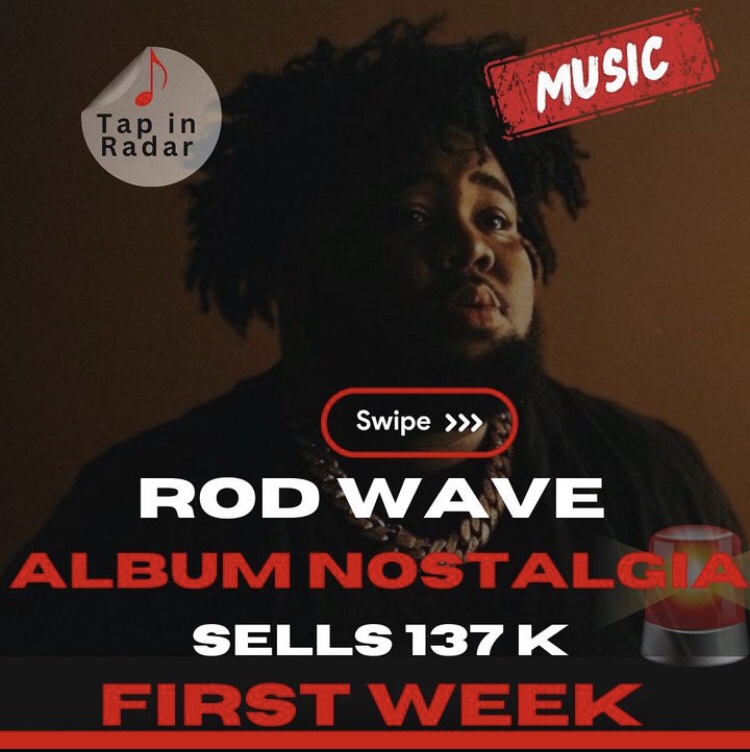
Friday September 15th Rod Wave released his fifth studio LP, Nostalgia,containing 18-songs .Features such as 21 Savage and TikTok star Sadie Jean. The album was led by the singles “Fight the Feeling,” “Call Your Friends,” “Come See Me,” and “Boyz Don’t Cry.”
Rod Wave album “Nostalgia “ sells 137k first week
Fans responded, “We’ll deserved needs more! Great album timeless.” “Great music still sells,” another said. “Rod Wave new album is heat,” someone else wrote.
On his interview with Apple Music 1 Rod Wave detailed the album as therapy. “A lot of stuff that I’ve just been going through on this journey, period, made me just appreciate the journey.
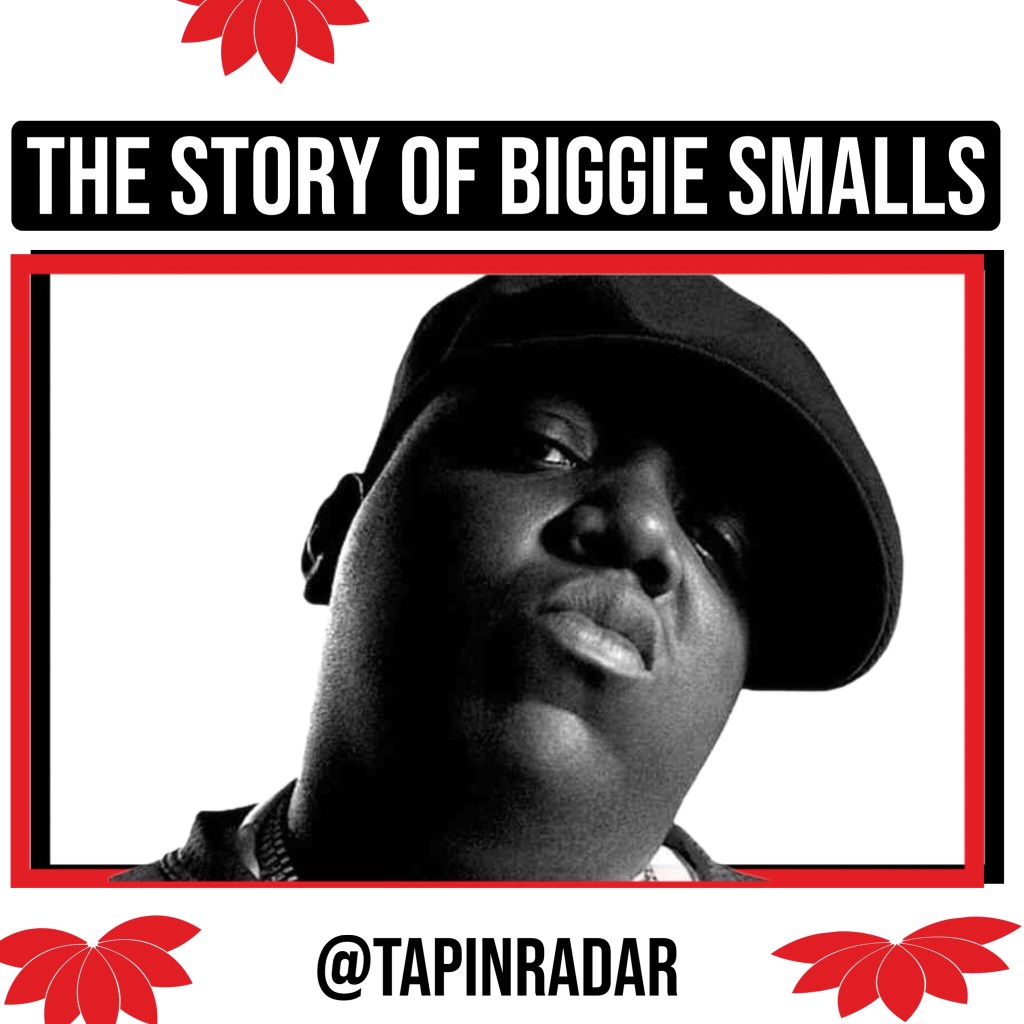
Christopher George Latore Wallace, better known by his stage names The Notorious B.I.G. and Biggie Smalls, was an iconic American rapper and songwriter. Born on May 21, 1972, in Brooklyn, New York, Biggie Smalls rose to prominence in the 1990s and is considered one of the greatest and most influential rappers of all time.
Growing up in the Bedford-Stuyvesant neighborhood of Brooklyn, Biggie faced a challenging upbringing. He began his music career as a teenager, engaging in freestyle battles and honing his skills as an MC. His talent and lyrical ability quickly caught the attention of Sean Combs, also known as Puff Daddy or Diddy, who signed Biggie to his record label, Bad Boy Records, in 1992.
Biggie’s debut album, “Ready to Die,” was released in 1994 and achieved critical acclaim and commercial success. The album showcased his distinct storytelling ability and vivid narratives about street life, struggle, and the harsh realities of growing up in Brooklyn. Hits from the album included “Juicy,” “Big Poppa,” and “One More Chance.”
The story of Biggie Smalls
As his career continued to flourish, Biggie became a central figure in the East Coast-West Coast hip-hop rivalry that dominated the rap scene in the mid-1990s. The feud between East Coast rappers, led by The Notorious B.I.G., and West Coast rappers, led by Tupac Shakur, intensified and ultimately led to the tragic deaths of both artists.
On March 9, 1997, at the age of 24, Biggie Smalls was fatally shot in a drive-by shooting in Los Angeles. His murder remains unsolved, and it deeply impacted the music industry and fans worldwide.
Despite his short career, Biggie Smalls left an indelible mark on hip-hop. His lyrical prowess, smooth flow, and distinctive voice made him an influential figure in shaping the genre. His posthumous album, “Life After Death,” was released just weeks after his death and became one of the best-selling hip-hop albums of all time.
Biggie’s legacy continues to thrive, and his impact on the rap industry can still be seen today. His storytelling abilities, charismatic persona, and larger-than-life presence have solidified his status as a rap icon.
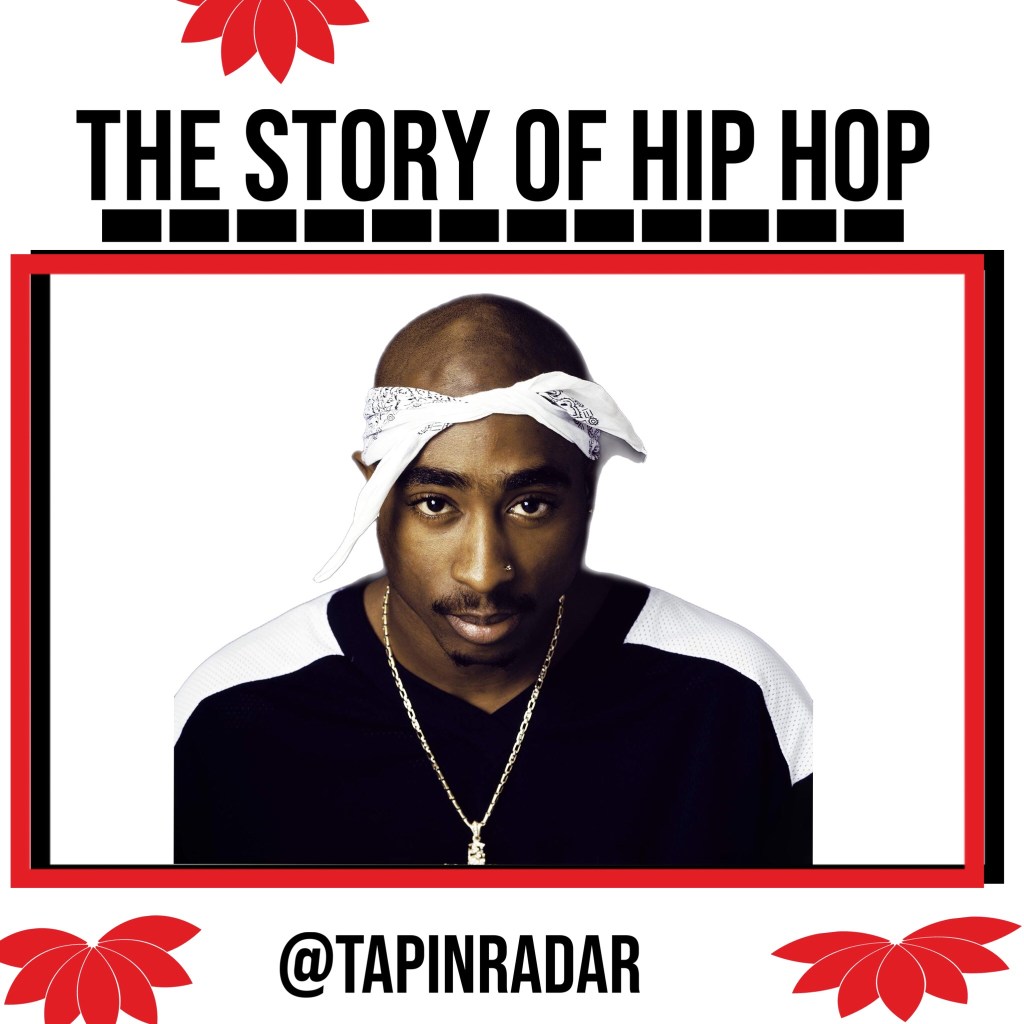
Hip-hop is a cultural and musical movement that emerged in the 1970s in the Bronx, New York City, predominantly among African American and Latinx communities. It encompasses various elements, including rapping (MCing), DJing, breakdancing (b-boying), and graffiti art. Hip-hop originated as a response to social and economic challenges faced by these communities, and it has since evolved into a global phenomenon.
The story of hip-hop begins with its four foundational elements:
MCing/Rapping: MCing, or Master of Ceremonies, involves rhythmic and poetic vocal delivery over a beat. Early MCs, such as DJ Kool Herc, Grandmaster Flash, and Afrika Bambaataa, would speak and rhyme over instrumental breaks in songs, known as “breakbeats.” This laid the foundation for modern rap music.
DJing: DJs played a crucial role in hip-hop’s development. They would mix and blend records, creating seamless transitions and incorporating rhythmic techniques like scratching and cutting. DJs like Grandmaster Flash and Kool Herc were instrumental in popularizing these techniques and shaping the sound of hip-hop.
Breakdancing/B-boying: Breakdancing, or b-boying, is a dynamic style of dance that involves intricate footwork, acrobatics, and improvisation. B-boys and b-girls would showcase their skills at block parties and other events, often in response to DJ-driven breakbeats.
Graffiti Art: Graffiti art played a significant role in hip-hop’s visual expression. Artists would create large-scale murals and graffiti tags to leave their mark on the cityscape. Graffiti was seen as a form of self-expression and a way to claim space within urban environments.
The story of hiphop
As hip-hop gained momentum in the 1970s and 1980s, it began to spread beyond New York City. It reached other cities in the United States, such as Los Angeles and Chicago, and eventually went global, influencing artists and communities worldwide.
In the 1980s, hip-hop started to gain commercial success with the release of groundbreaking albums like Run-D.M.C.’s self-titled debut and the Beastie Boys’ “Licensed to Ill.” These artists brought hip-hop into the mainstream and expanded its audience.
The 1990s witnessed a golden era of hip-hop, with artists like Tupac Shakur, The Notorious B.I.G., Nas, and Wu-Tang Clan making significant contributions to the genre. This period saw the rise of storytelling, social commentary, and diverse musical styles within hip-hop.
Hip-hop continued to evolve in the 2000s and beyond, with the emergence of subgenres like gangsta rap, conscious rap, trap music, and alternative hip-hop. Artists such as Jay-Z, Kanye West, Eminem, Kendrick Lamar, and Drake achieved massive commercial success while pushing the boundaries of the genre.
Today, hip-hop remains a dominant force in popular music and culture. It has influenced fashion, language, and societal discussions. Hip-hop’s impact can be seen in the rise of global superstars, the incorporation of its elements in various music genres, and its ability to address social and political issues.
Overall, the story of hip-hop is one of artistic expression, cultural resistance, and innovative creativity that continues to shape and influence contemporary music and society.
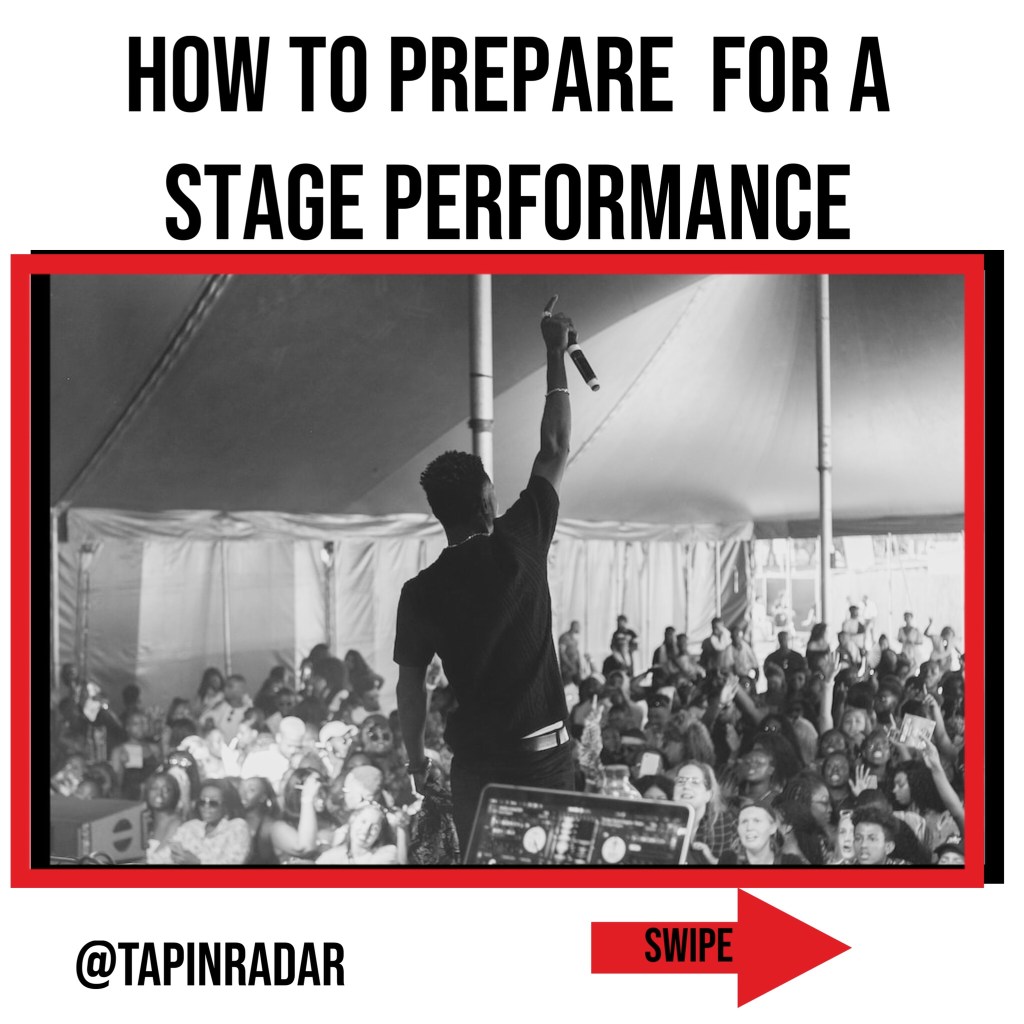
Preparing for a stage performance requires careful planning and practice. Here are some steps to help you prepare:
1. Understand the Performance: Familiarize yourself with the requirements and expectations of the performance. Read the script, study the character you’ll be portraying, and grasp the overall theme and tone of the production.
2. Rehearse Regularly: Establish a consistent rehearsal schedule and stick to it. Practice your lines, movements, and cues until they become second nature. Rehearsing with other cast members is especially important for coordinating scenes and building chemistry.
3. Memorize Your Lines: Work on memorizing your lines early in the process. Break them down into smaller sections and practice them repeatedly. Use mnemonic devices or visualization techniques to aid in memorization.
4. Study Your Character: Dive deep into your character’s motivations, backstory, and personality. Understand their relationships with other characters and how they fit into the overall narrative. This understanding will help you deliver a more authentic performance.
5. Work on Body Language and Movement: Consider how your character moves and carries themselves. Experiment with different gestures, postures, and facial expressions that reflect their personality. Practice stage blocking and transitions to ensure smooth movement on stage.
How to prepare for a stage performance
6. Develop Vocal Skills: Pay attention to your voice projection, articulation, and tone. Practice speaking clearly and with proper diction. Experiment with different vocal techniques to match your character’s voice and emotional states.
7. Seek Feedback: Share your progress with a director, acting coach, or fellow performers. They can provide constructive feedback and help you refine your performance. Be open to suggestions and make adjustments as needed.
8. Dress Rehearsals: Participate in dress rehearsals to get a feel for the costumes, props, and set design. Use these rehearsals to practice your performance in the actual performance environment.
9. Manage Stage Fright: Stage fright is natural, but there are techniques to help manage it. Deep breathing exercises, visualization, and positive self-talk can help calm nerves. Embrace the excitement and view it as energy to enhance your performance.
10. Take Care of Yourself: Maintain a healthy lifestyle leading up to the performance. Get adequate sleep, eat nutritious meals, and exercise regularly. Taking care of your physical and mental well-being will contribute to your overall performance.
Remember, preparation is key to a successful stage performance. The more you practice and immerse yourself in your character and the production, the more confident and polished your performance will be.

 TAP IN RADAR